
For Children and Teens
Often, therapy is framed around "fixing" autistic traits or teaching kids how to mask who they are to fit in.
We do things differently here. Our practice provides neurodiversity-affirming therapy. We believe autism is a natural, valuable variation in human neurobiology. Your child doesn’t need to be cured; they deserve to be understood, supported, and celebrated. We work with autistic children and teens to help them navigate life’s challenges while fully embracing their unique strengths.
How We Support Autistic Children & Teens
We tailor our approach to each individual’s unique nervous system, communication style, and passions. Our therapeutic work focuses on:
Understanding the Autistic Nervous System: Helping them identify their unique sensory profiles, recognize the early signs of sensory overload, and learn how to prevent and recover from autistic burnout.
Emotional Regulation & Co-Regulation: Navigating "big feelings" like anxiety, frustration, or depression using tools that actually make sense to a neurodivergent mind.
Healthy Self-Advocacy: Empowering children and teens to confidently voice their needs, set boundaries, and ask for accommodations at school or in social settings.
Navigating a Neurotypical World: Exploring social dynamics on their terms—focusing on authentic connection and finding "their people," rather than forcing superficial, compliance-based social skills.
Processing Intersectional Stress: Supporting teens as they navigate identity development, executive functioning demands, academic stress, and the transition into adulthood.
Our Sensory-Friendly, Flexible Space
Traditional sit-and-talk therapy doesn't work for everyone—and it certainly isn’t a requirement here. We meet your child where they are comfortable. In our sessions, it is completely normal and encouraged to:
Stim freely: Moving, pacing, rocking, or using hands is welcome and recognized as a vital way to self-regulate.
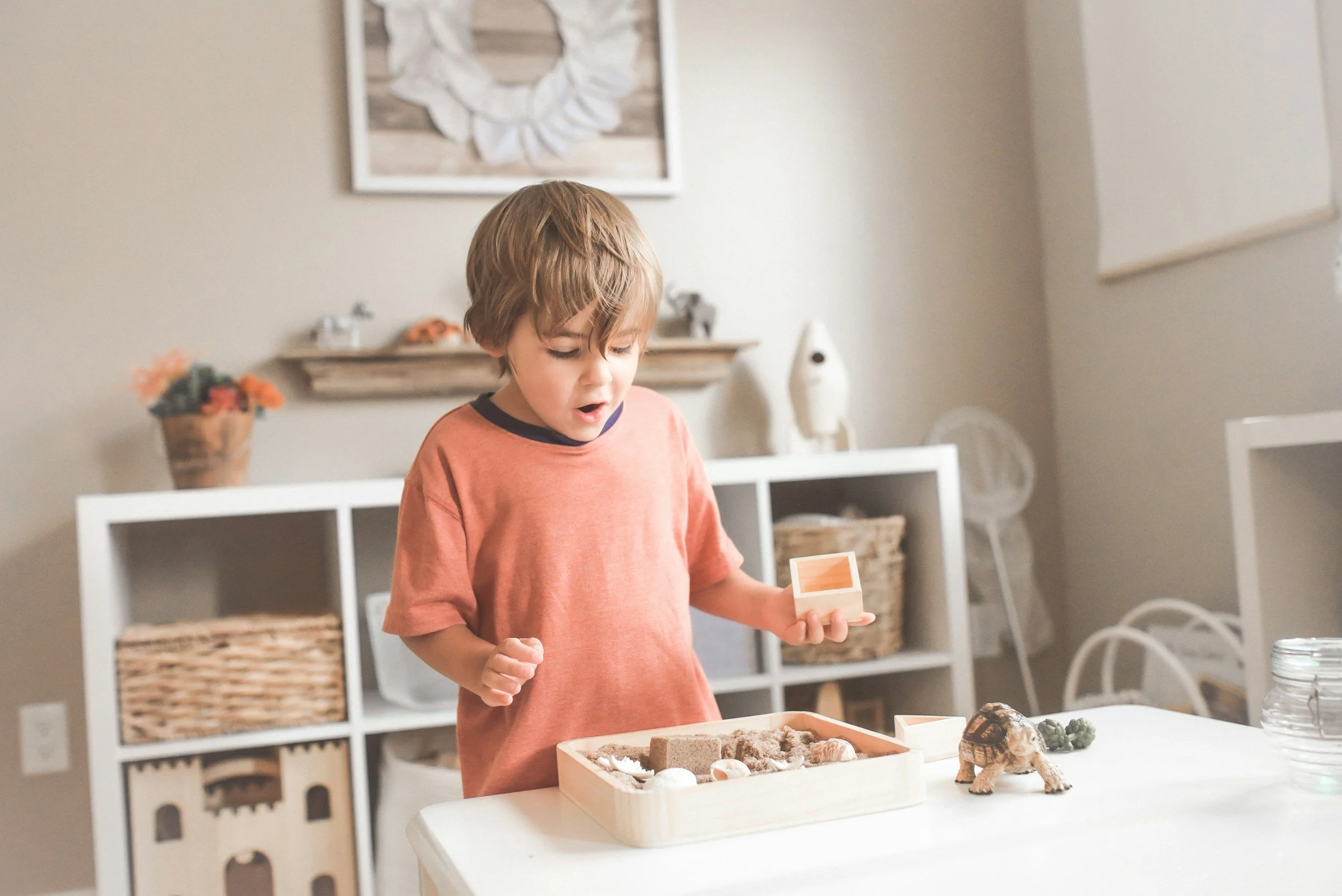
Use sensory tools: We encourage fidgets, dimmable lighting, noise-canceling headphones, and comfortable seating options.
Connect through passions: If your child loves gaming, anime, trains, or art, we bring those special interests directly into the therapy process.
Communicate flexibly: We welcome and adapt to all forms of communication, whether that includes verbal speech, writing, drawing, or AAC devices.